$2.6 billion in future state revenue from Willow project on the North Slope disappears in latest Dunleavy estimate
I understand why the Dunleavy administration and former Revenue Commissioner Adam Crum had nothing to say in August when the state quietly completed an analysis of the Willow oil project that shows $2.6 billion in future state revenue has simply vanished.
They didn’t post a press release taking credit for this latest accomplishment of the Golden Age of Alaska in which Dunleavy says “It’s like Christmas every day now.”
Perhaps the Dunleavy administration is hoping that the public and legislators will remain blissfully unaware that the state has cut its Willow revenue estimate over the next 30 years by 50 percent. There has been no news coverage of this.
A year-and-a-half ago the Dunleavy administration predicted that the ConocoPhillips Willow project would lead to $5.2 billion in state revenue through 2053.
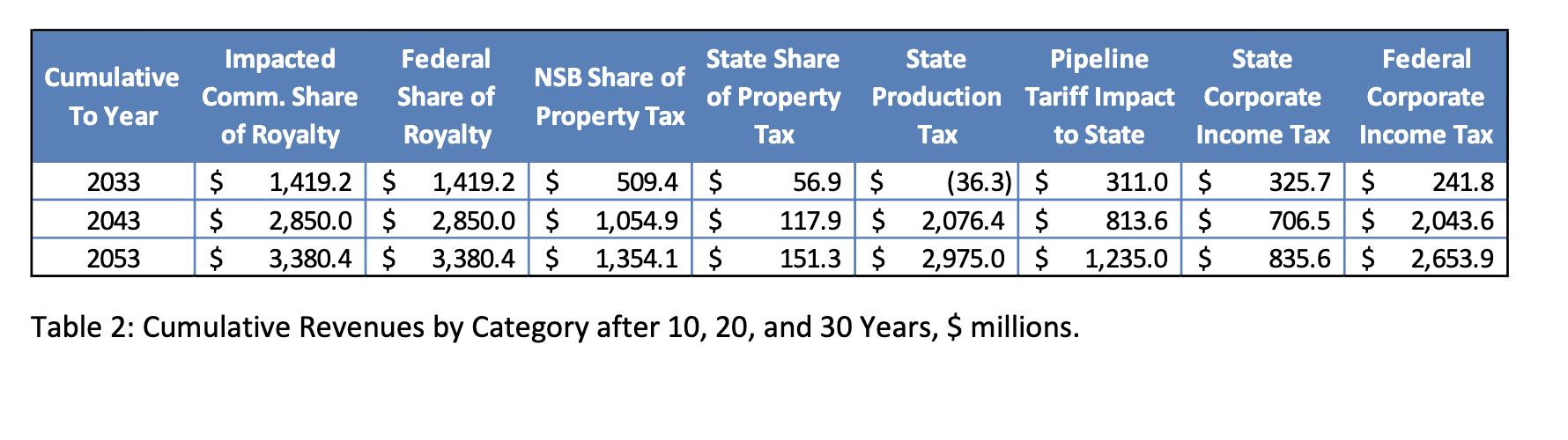
In February 2024, the Dunleavy administration said the Willow oil project would generate $3 billion in production tax revenues by 2053.
In August, the Dunleavy administration revised that number to say the project would lead to $2.6 billion in state revenues through 2053. There is a reduction in the production tax of $2.2 billion, while most of the rest would come from a change in pipeline tariffs.
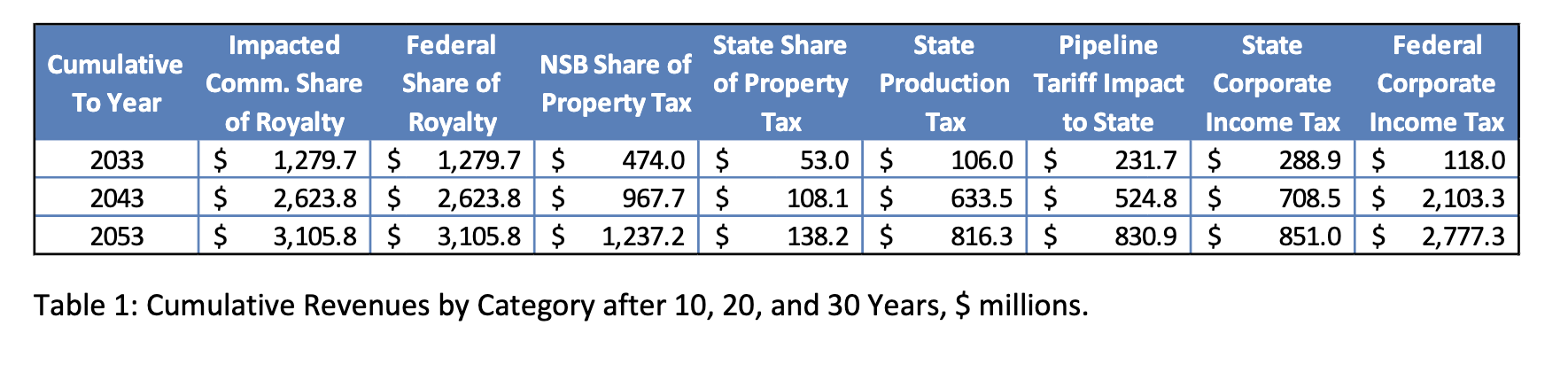


The state August 2025 revenue estimate for the Willow project shows a $2.2 billion drop in state production tax revenue by 2053, for a total of $816 million.
The state would get total production tax revenues of $816 million by 2053 under the new estimate, down from $3 billion under the February 2024 estimate.
Meanwhile, ConocoPhillips would actually see an increase in total cash flow to $10.3 billion based on the new report, up from $9.8 billion under the February 2024 estimate.
The report from the state does not explain the 50 percent decline in future state revenue. This is intentional, not accidental.
I asked the Department of Revenue Friday for details and whether the new numbers are correct, but no one has replied. I hope that one or more legislators will demand an explanation immediately and let me know what they hear back.
As with the Pikka project, which I wrote about the other day, the Willow project provides an excellent example of one of the serious flaws in our oil tax system.
The state tax system ought to be predictable and reliable enough so that we have some idea of what’s ahead.
Nothing about this qualifies as predictable and reliable.
Lacking any explanation of the missing money, I asked veteran reporter, editor and former state official Larry Persily if he could find the $2.6 billion.
He said he thinks the loss may have a lot to do with a sharp increase in what it will cost the company to develop its oil leases. The state says it now expects ConocoPhillips to spend $30.30 per taxable barrel on the project.
The lease expenditures at Willow can be deducted, to some extent, against oil production elsewhere on the North Slope, which means the state collects less and the company gets a tax break.
In February 2024, the state said it would only cost $24.50 per barrel to develop the Willow project, as opposed to the $30.30 estimate now in play.
Higher expenses per barrel mean the company has more ways to reduce what it pays the state.
Left unexamined here is what will happen when the next estimate on lease expenditures jumps up from $30.30 per barrel. The cost of everything is going up and there is no reason to assume that the costs will stop rising.
The state oil production tax on Willow cannot drop to zero because at some point the so-called 4 percent gross minimum tax would come into effect. The state should explain how low Willow tax revenues will go before hitting the floor.
While the state takes a major hit with higher lease expenditures, all of the other entities collecting money from the project—including ConocoPhillips, the federal government, the North Slope Borough and the North Slope villages—will not see big declines in their expected revenues.
That’s a flaw in our out-of-balance system that anyone can understand.
Your contributions help support independent analysis and political commentary by Alaska reporter and author Dermot Cole. Thank you for reading and for your support. Either click here to use PayPal or send checks to: Dermot Cole, Box 10673, Fairbanks, AK 99710-0673.