The payments to the four public trustees of the Permanent Fund—$400 for each meeting day—have remained the same for nearly 45 years. This is one aspect of the Permanent Fund structure that needs an examination as we mark the 50th anniversary of the constitutional amendment that created the fund.
Read MoreAt a 20-year reunion in 1976 of delegates to the Alaska Constitutional Convention, Katherine Nordale asked one of the convention's key advisers, John Bebout, what he thought of the plan to create the Alaska Permanent Fund that year.
She said she was shocked to hear him say, "You are establishing a fourth branch of government."
She later wrote Rep. Clark Gruening, a key legislator who helped create the rules for the new fund, to warn him against allowing the enterprise to exercise too much control over the state.
"Unless it is managed very carefully and vigilant scrutiny is exercised every step of the way, the people of Alaska may reap little benefit, but millionaires may be created to the detriment of the general welfare of Alaska," she wrote Gruening.
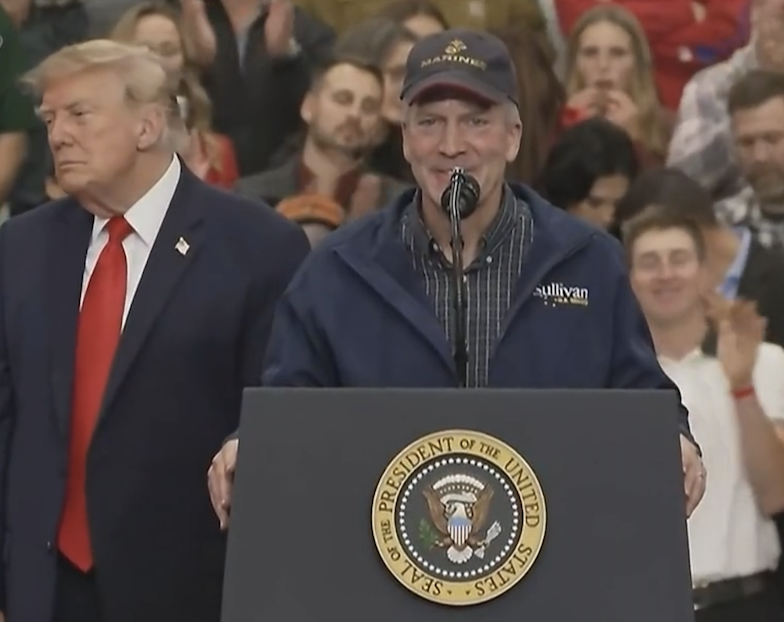
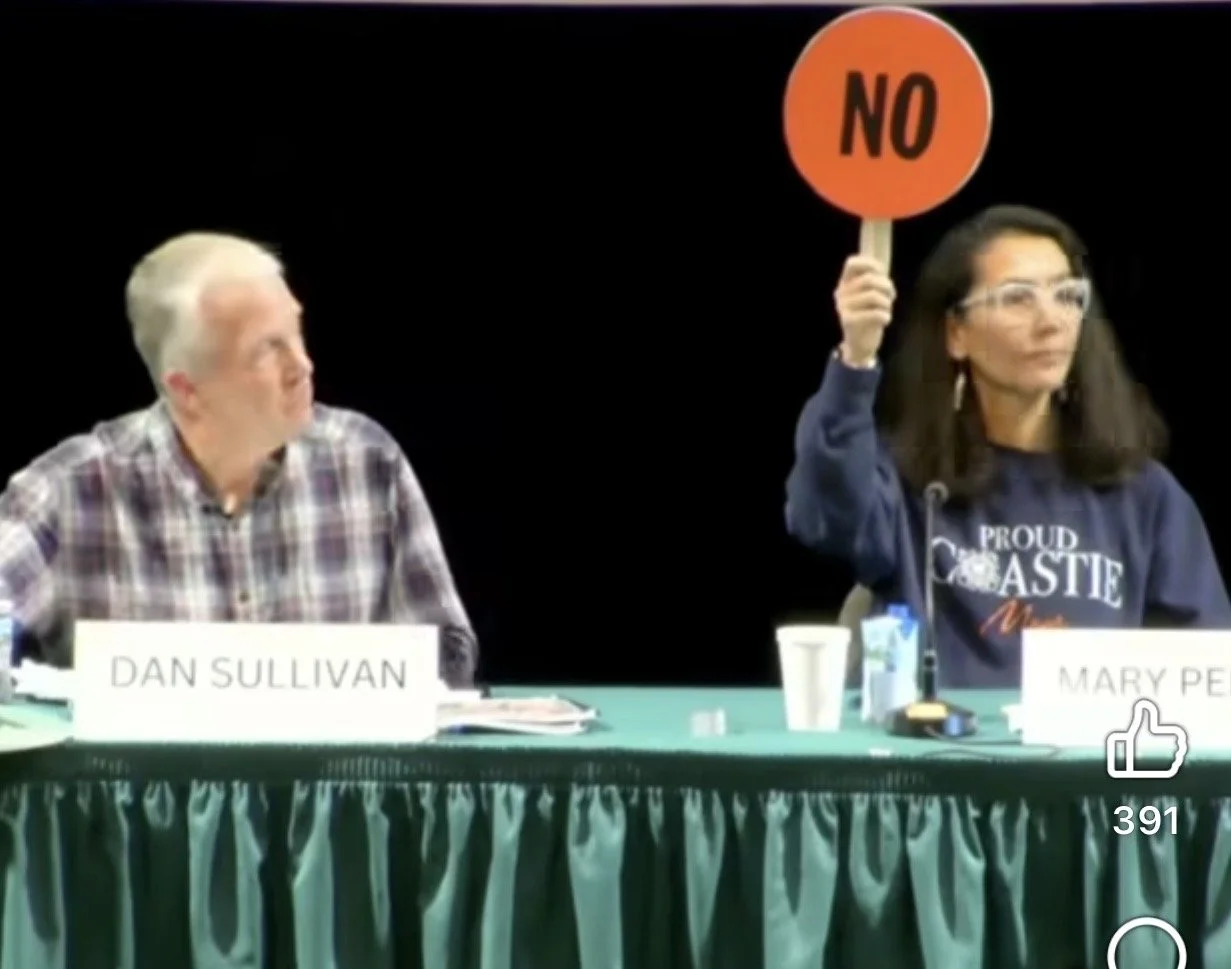
Read MoreSen. Dan Sullivan voted last summer for the so-called One Big Beautiful Bill Act that cuts Medicaid by nearly $1 trillion over a decade and provides $1 trillion in tax benefits to the richest 1 percent of Americans.
A Sullivan support group is now claiming that Sullivan worked to strengthen Medicaid.
Read MoreThe Pearl Creek charter plan will exacerbate the growing gap in public education between the haves and have-nots.
Read MoreI now believe that the $250,000 “independent” study has been kept secret in part because the consulting firm did not denounce the theory that the Red Dog mine and its transportation system might have been built without a state subsidy.
If a subsidy was not needed, that would mean that AIDEA cannot take credit for all of the economic output generated by that mine and that AIDEA’s economic benefits would be trimmed by billions or tens of billions. We will know if I am right if the Senate Resources Committee succeeds in getting AIDEA to release the “independent” 2024 study.
Randy Ruaro, executive director of AIDEA, testified this week that the treatment of Red Dog finances in the 2024 report was a topic that prompted AIDEA to require that Northern Economics revise the “independent” study.
Read MoreNorthern Economics completed a $250,000 “independent” study of AIDEA in early 2024 and was paid in full, but the Alaska Industrial Development and Export Authority never released it to the public.
Now the head of the agency says he knows of no reason why it can’t release the report. This is a welcome change and long overdue. The Senate Resources Committee is awaiting copies of the 2024 report.
I began writing about this in late 2024 and have done so many times, but AIDEA claimed the study was a draft and that it was not a public document. Draft reports are public documents under state law.
Read More“ What is the new applicant name for Alaska LNG Project?” Sen. Cathy Giessel asked Glenfarne Vice President Adam Prestidge and AGDC President Frank Richards in an email Thursday afternoon.
“I want to be able to refer to the project accurately,” she wrote.
Giessel referred to a March 2 posting by the Federal Energy Regulatory Commission that said the company had applied for a name change, but the details were in a letter that was marked “privileged,” meaning it is a secret.
Glenfarne says it was all a big misunderstanding. The name was not changed.
Read MoreThe head of the state Division of Elections, who is supervised by Lt. Gov. Nancy Dahlstrom, refused Wednesday to release the legal advice provided to her by the Department of Law that led her to reveal private information on all Alaska voters to the U.S. Department of Justice.
Asked by Sen. Bill Wielechowski if she would release the legal advice from state lawyers, Elections Director Carol Beecher did not want to respond.
“I will be conferring with the Department of Law in regard to your question,” Beecher said.
Wielechowski asked why she had to talk to the Department of Law when the decision on releasing the information is entirely up to her.
Legally, the decision is entirely up to her. There is no basis for claiming it should remain secret or for her excessive hemming and hawing.
Read MoreThere was no compelling legal argument that led the Dunleavy administration to divulge private information about all Alaska voters to the Department of Justice for Donald Trump’s campaign to interfere with the 2026 elections.
Gov. Mike Dunleavy, Lt. Gov. Nancy Dahlstrom and temporary Attorney General Stephen Cox wanted to just say yes to the Trump administration, which is what they did. Under a Democratic president they would have attacked the request as federal overreach.
Read MoreOne of the big problems with the Dunleavy administration decision to give private information on every Alaska voter to the Department of Justice is that the Trump administration has failed to take proper preparations to protect the data.
The Trump administration is trying to sweep up information on all voters in every state in advance of the 2026 elections. Most states have refused to go along with the transfer of private information that is not available to those who check voter rolls. But Alaska agreed to hand over the data without security guarantees.
Read More