The state is accepting public comments until Monday on a hardrock mining exploration permit for claims on Ester Dome by Roger Burggraf at the Grant Mine.
Read More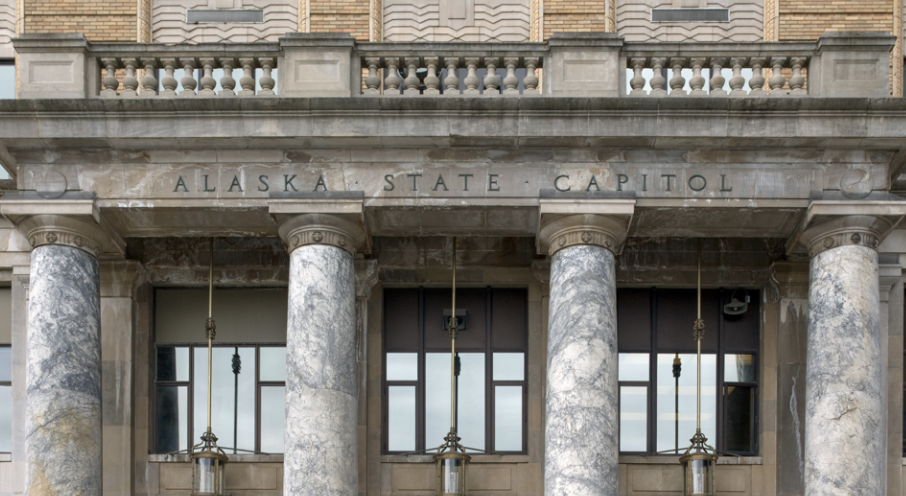
Geologist Mark Myers, a consultant who works for oil producers around the world, is one Alaska’s most trusted voices on the oil and gas industry in Alaska.
“I have never in many different projects in many different countries, never recommended Alaska’s system as a leading practice. But I do use it as an example of a problematic and failed system,” Myers told the Senate Finance Committee this week.
Read More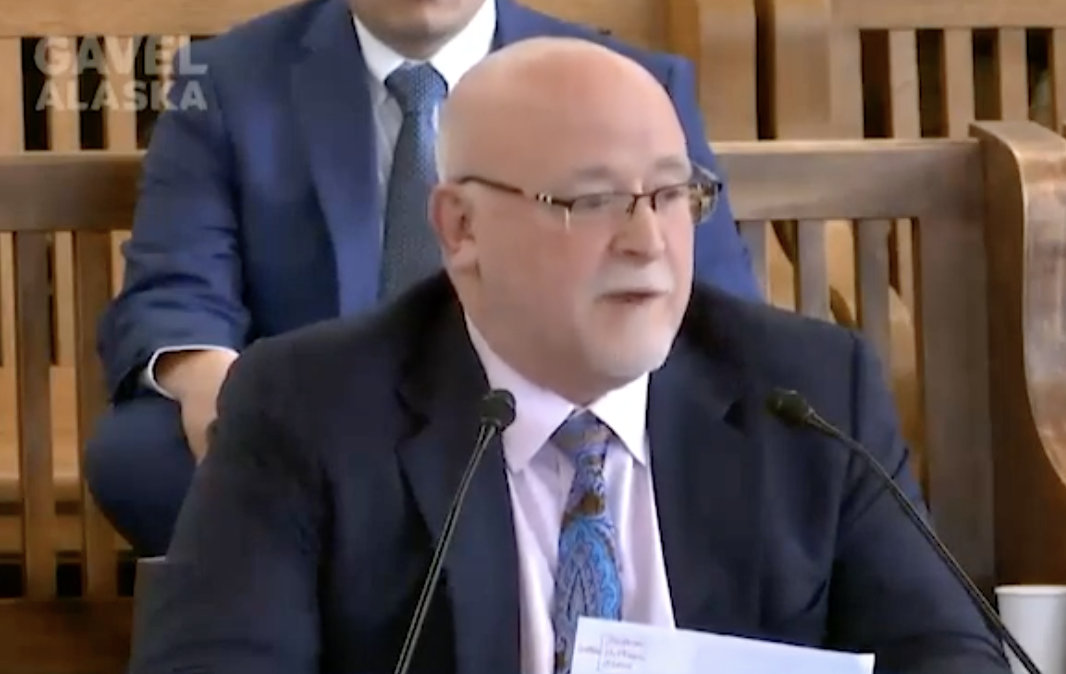
The two main levers that determine whether Alaska is getting what it should from oil developed on state lands are royalties and production taxes. “We’re getting a half to two-thirds of what other people are getting,” Robin Brena said.
In the decade since the enactment of SB 21, the state has collected $4.5 billion in production taxes and provided $5.6 billion in per barrel credits. The credits mean the alleged 35 percent oil tax is a joke.
“I would call that underperformance on a massive scale,” he said.
Read More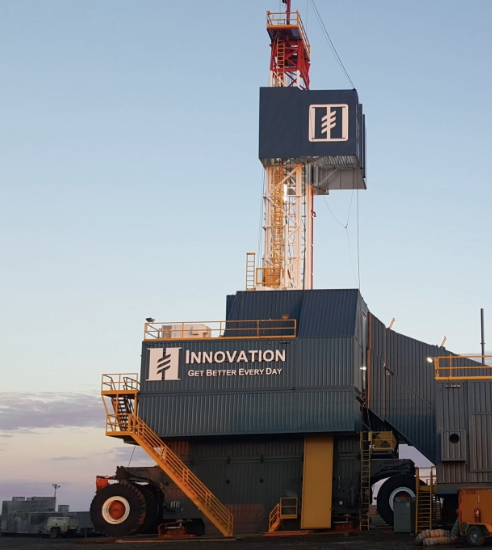
That the Dunleavy administration failed to propose legislation and the Legislature failed to muster the political might to approve measures in 2020, 2021 or 2022 to fix the loophole does not mean that Alaskans promised Hilcorp to keep the company free of an income tax long paid by Exxon, ConocoPhillips and others.
Owner Jeff Hildebrand, who is worth $9.1 billion, according to Bloomberg, or $10.2 billion, according to Forbes, and everyone at his company knew that state leaders might wake up some day and require Hilcorp to pay the petroleum income tax.
Read More
On February 20, 2017, state consultant Rich Ruggiero told legislators that the oil industry could be counted on to always say the same three things when faced with a proposed increase in oil taxes.
"In their world there is no concept of the operator earning too much and a government earning too little," he said.
The big three arguments are being raised anew with the plan to generate about $600 million from a combination of oil tax changes.
Read More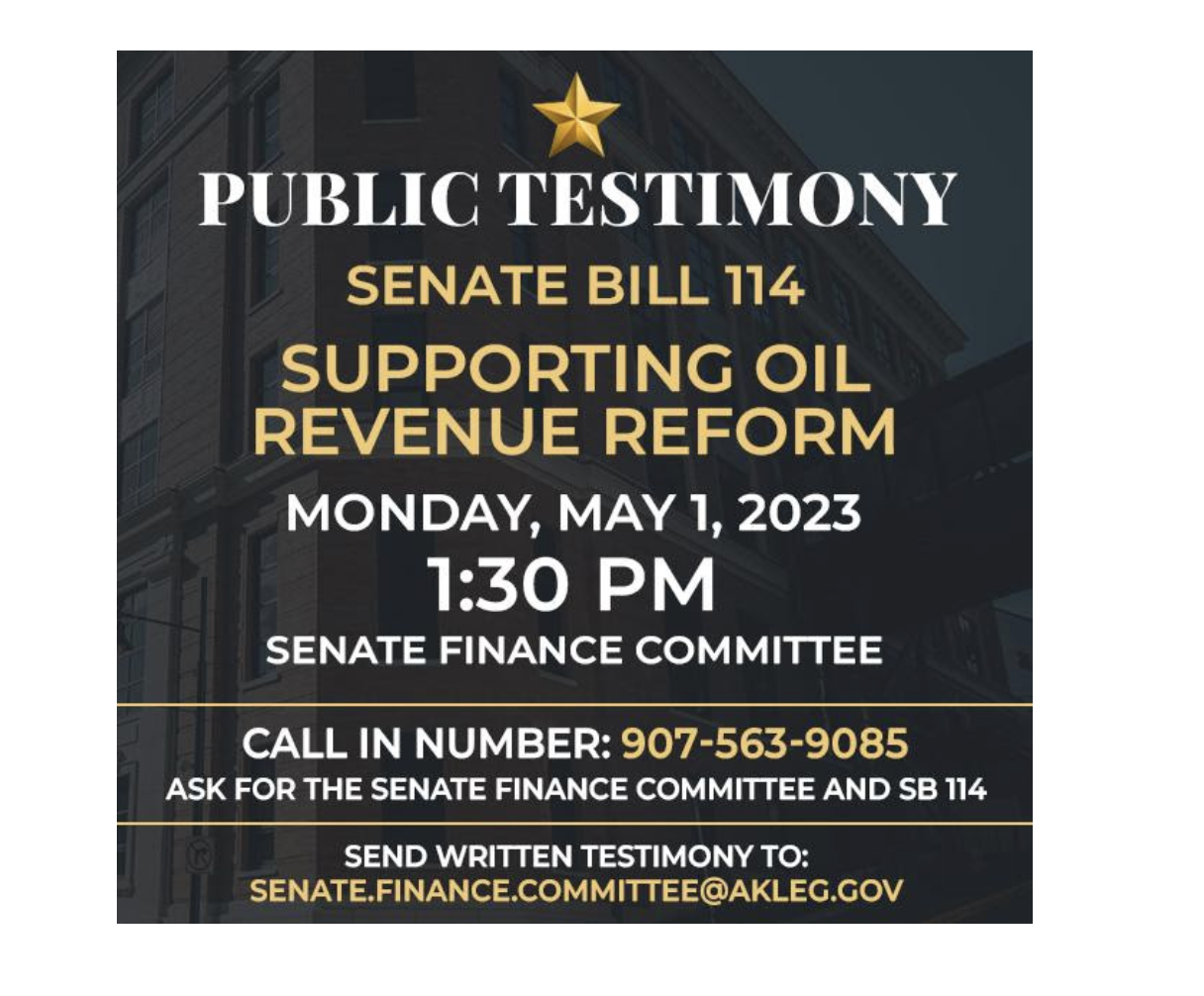
One of the sensible things the Legislature should do this year is enact SB 114, which would close the Hilcorp loophole and reduce state oil tax credits by $3 a barrel, tying the credits to capital investment. This would be a good step toward a balanced fiscal plan.
Two years ago, Gov. Mike Dunleavy said he would support a reduction in tax credits and closing the Hilcorp loophole if the Legislature sent him a bill with those changes.
Read More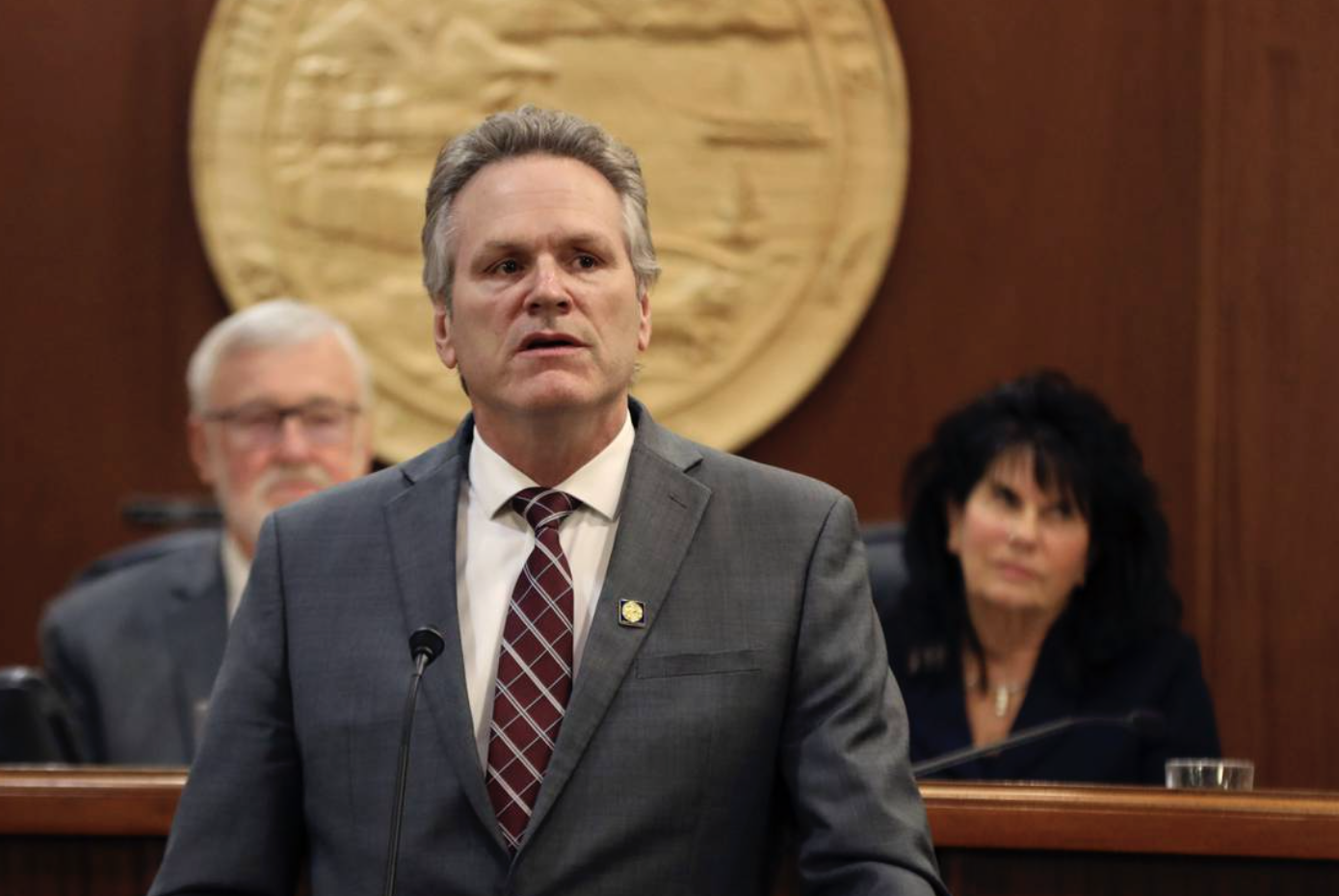
Dunleavy has a credibility problem when he talks about a fiscal plan because he claimed for the last four-and-a-half years that all we needed were three constitutional amendments to settle the dividend formula, cap state spending and require that any tax increases be approved by voters and the Legislature.
In 2018 and 2022 he pledged there was no need for any new taxes and that we could have giant dividends and no real cuts in services, though it was clear to any competent analyst that he was wrong.
Read More
There is no chance that the House Education Republican Wrecking Crew will have its way requiring written parental approval for children to learn or do anything in the public schools.
But just because the wrecking crew—Jamie Allard, Mike Prax, Tom McKay and Justin Ruffridge—have fallen flat with rules that will never become law, their handiwork should not pass without public review.
Read More
We’re supposed to take it on faith from Kenai Rep. Ben Carpenter, the acolyte who put former temporary budget director Donna Arduin back on the state payroll, that cutting the Alaska corporate income tax to the lowest in the nation will lead to great gains in productivity and jobs.
We are supposed to believe that if Alaska cuts taxes on Wal-Mart and Kroger and AT&T, it won’t be long before food and phones will be cheaper and more people will be employed in Alaska.
Read More
Joey Crum, appointed by Gov. Mike Dunleavy to the University of Alaska Board of Regents, told legislators his business was not “subsidized” by the state.
But he did not make it clear that his business is a state contractor that has collected about $2.5 million in state money over the last four years.
Read More