Sen. Dan Sullivan, chairman of the International Republican Institute, should have a lot to say about Elon Musk shutting down most of the institute’s operations, but he doesn’t.
Read More
Sen. Dan Sullivan, chairman of the International Republican Institute, should have a lot to say about Elon Musk shutting down most of the institute’s operations, but he doesn’t.
Read MoreThe Permanent Fund claimed at first that all information about the investments made by McKinley and Barings were secret, including the names of the companies. The state claimed that it would be entirely up to the two financial management companies to decide what Alaskans would be allowed to know.
As I wrote here on December 6., 2021: “The real danger is that secrecy can be a tool to hide public investments from the public to avoid controversy and public discussion. It can also be a tool that allows political influence to decide who gets the benefit of state money.”
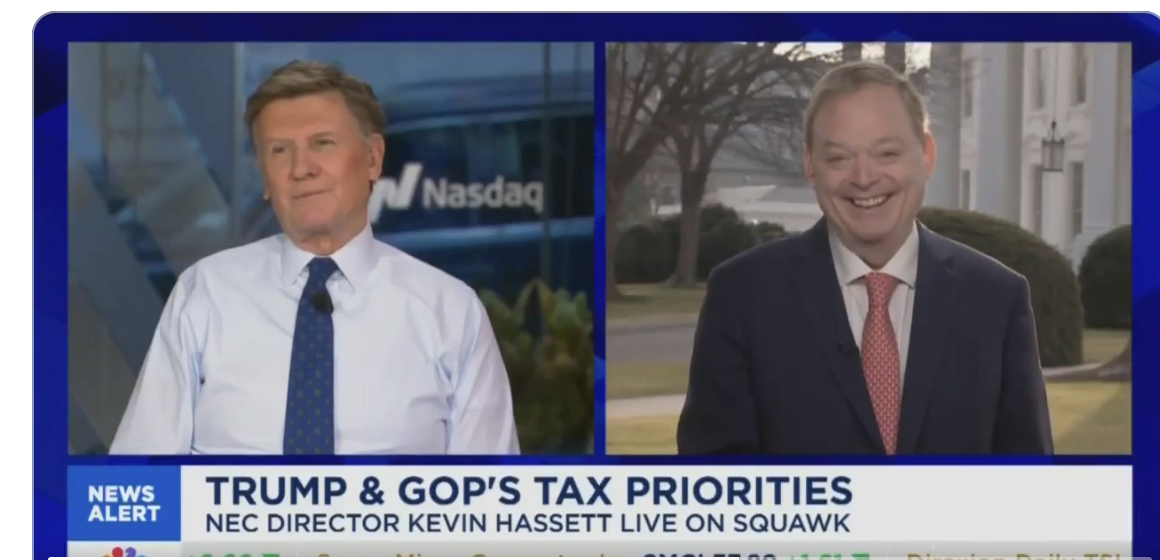
Read MoreQuestioned on CNBC if he was trying to dream up ways to defend outlandish schemes from Trump, economic adviser Kevin Hassett claimed that making Canada the 51st state is not outlandish at all.
Hassett didn’t sound like a guy with a doctorate in economics from the University of Pennsylvania. He sounded like a dropout from Trump University.
No one believes that Canada is going to become the 51st state, but the price that supplicants pay to pacify and please the playground bully is to tell him he is always right about everything and call him “Sir.”
Read MoreThe job of saying no to $50 million for the Alaska Industrial Development & Export Authority has gotten a lot easier than anyone expected.
Read MoreThe state secretly ordered the contractor—after its report was finished last summer—to revise the work it had done and set salaries at the 50 percentile for many employees. Lowering the benchmark would lower the cost and widen the gap between state workers and other employees..
This deception, for that is what it is, goes against the letter and spirit of the state law requiring government transparency.
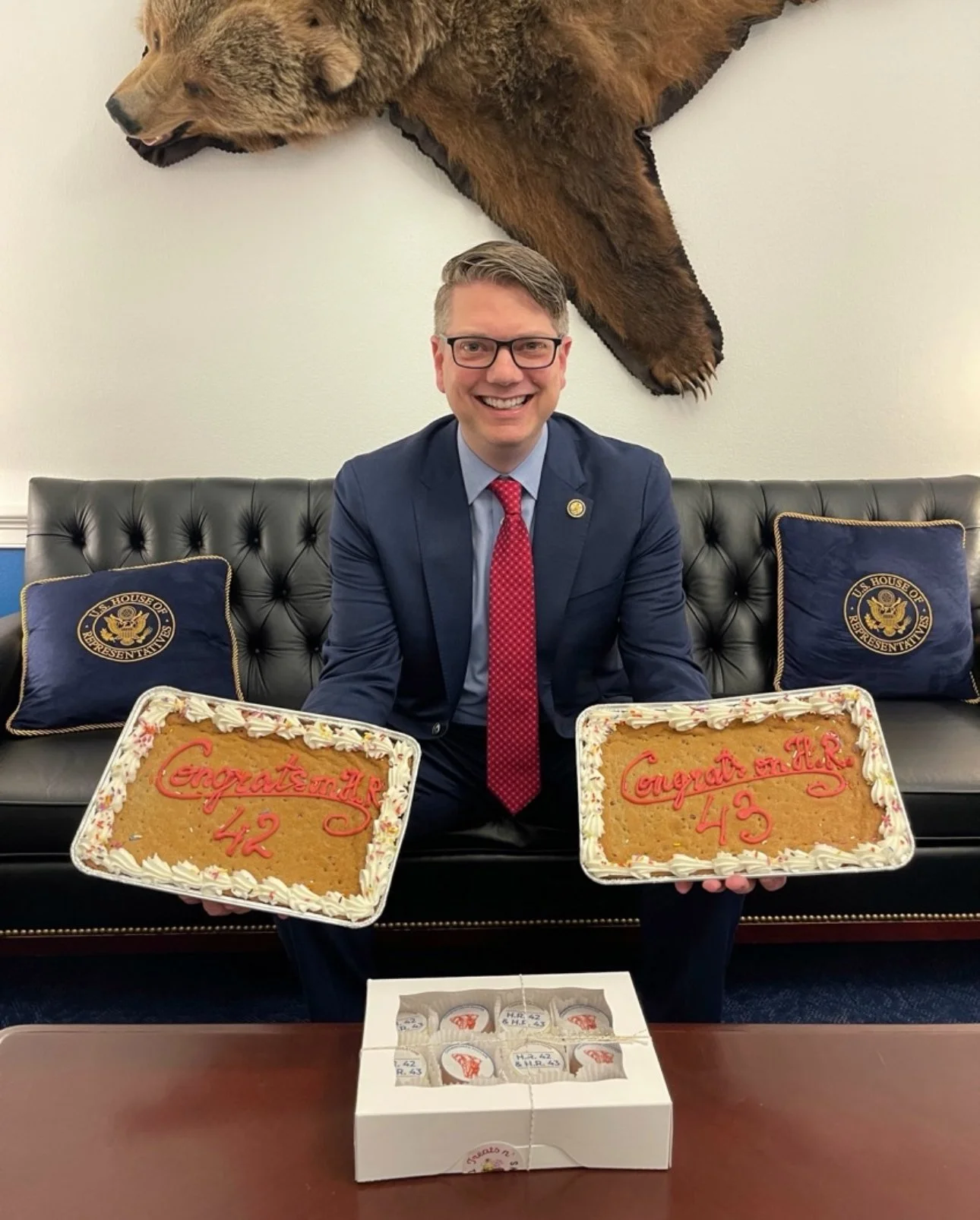
Rep. Nick Begich the Third didn’t tell Alaskans the full story when he praised himself for getting the House of Representatives to pass two bills on February 4.
The Begich bills were copied word for word from bills introduced by former Rep. Mary Peltola.
The hearings on both took place in November, before Begich took office, and they won unanimous backing from the Republican-controlled resources committee.
Read MoreIt is a safe bet that the contractor discovered that the state is not paying enough to remain competitive, which is the real reason why Dunleavy is sitting on the study.
Had the contractor’s research shown that state pay rates are more than competitive, copies of the state salary study would have been in every mailbox of every politician in Alaska last summer.
Read MoreThe Anchorage Daily News had the best coverage about Trump’s emissions about the Alaska gas pipeline. Read it here.
Elsewhere the news was not so good.
“President Donald Trump today announced a joint venture with Japan for the Alaska LNG project,” Alaska Public Media reported.
There are no signed documents about a joint venture. That’s because there is no joint venture.
This truth was completely missing from the Alaska news coverage.
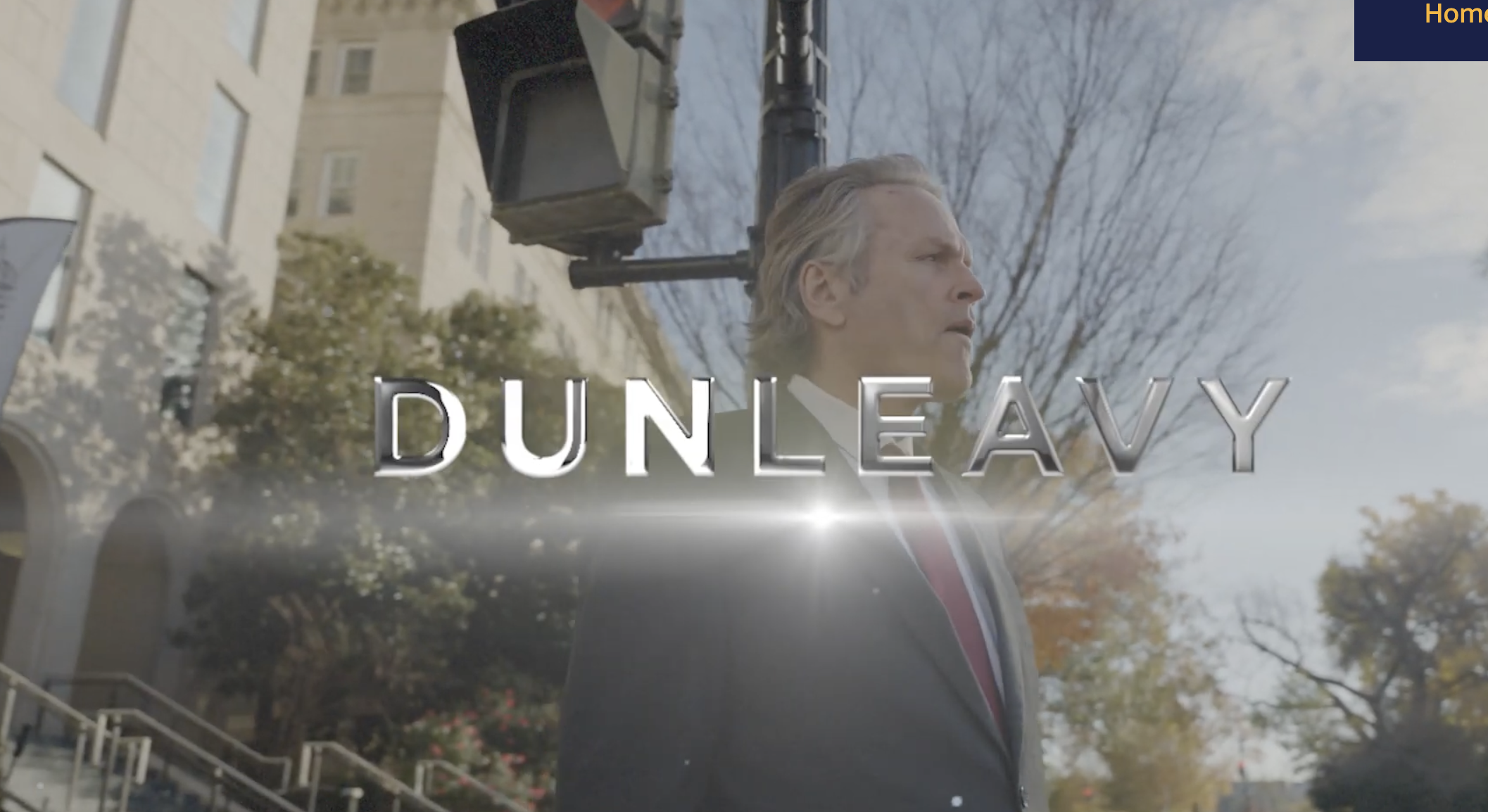
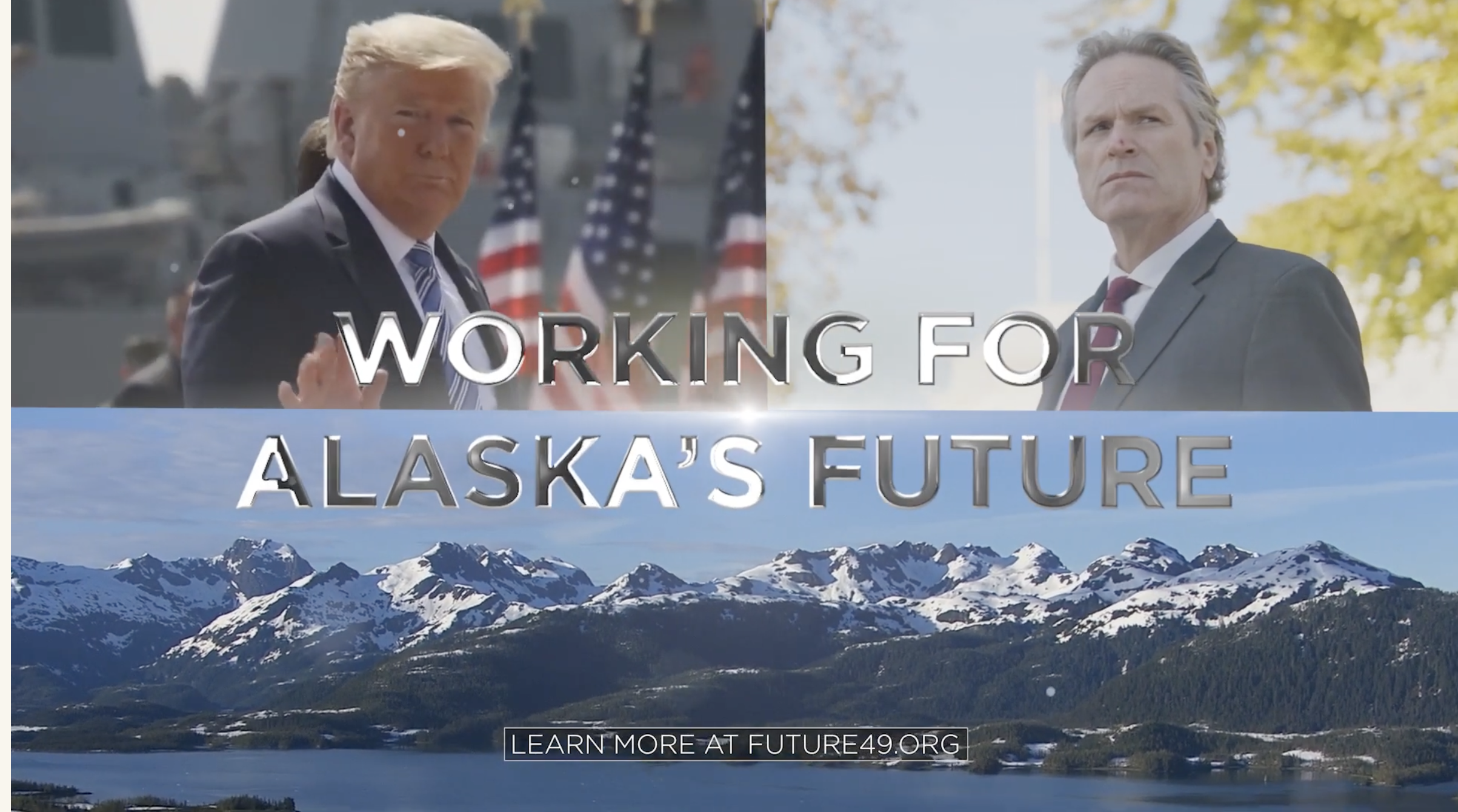
Read MoreA new video from a campaign group that appears to be aimed at elevating Gov. Mike Dunleavy on the national scene claims that the Dunleavy policies that have worked so well in Alaska should be exported to 49 other states.
Dunleay allies, including Alaska Airlines pilot Bob Griffin, have created the new Dunleavy support group, called “Future 49,” in which Dunleavy and Trump are the lead characters.
“Alaska’s Golden Age is here,” the support group says, thanks in large part to Trump and Dunleavy.
Read MoreThe Dunleavy administration continues to claim that drafts of the $880,000 state salary study are secret, which contradicts a state law that says draft reports are public documents.
But a more egregious action took place last week when the Dunleavy administration refused to tell legislators and the public what data it asked the salary study contractor to provide last summer.
The state redacted a key phrase from an $80,000 contract amendment that conceals a major change in state policy, setting a lower target for state pay rates.
Read More