Kindred court debacle shows need to end secrecy on federal judge selections

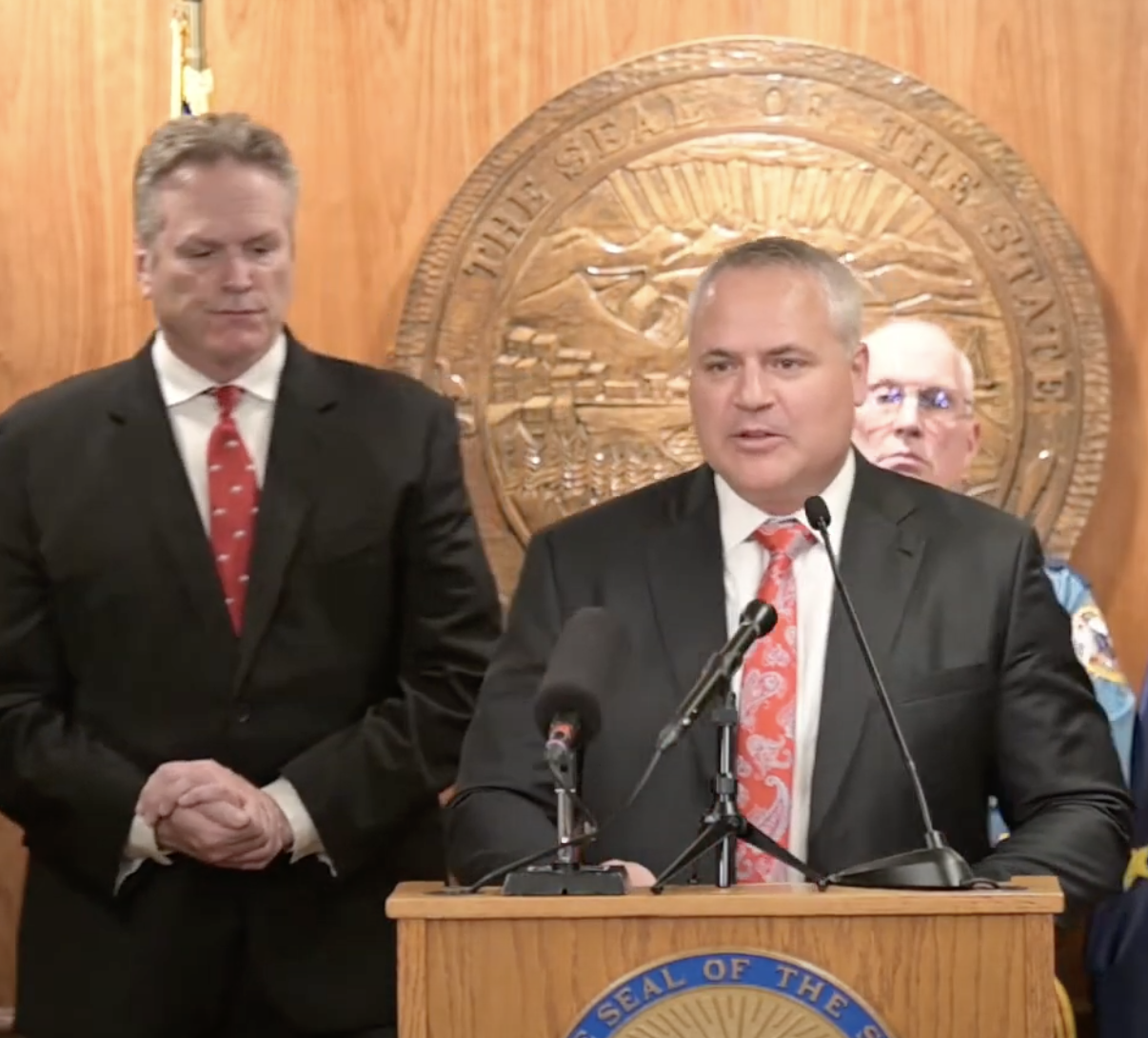
After Kindred’s forced resignation, Sullivan said he will continue to work with his personal judicial council “for appointment of federal judges who understand Alaska’s unique role in our federal system. This is crucially important for our state. Federal judges have lifetime tenure—their decisions will positively or negatively impact Alaskans for decades.”

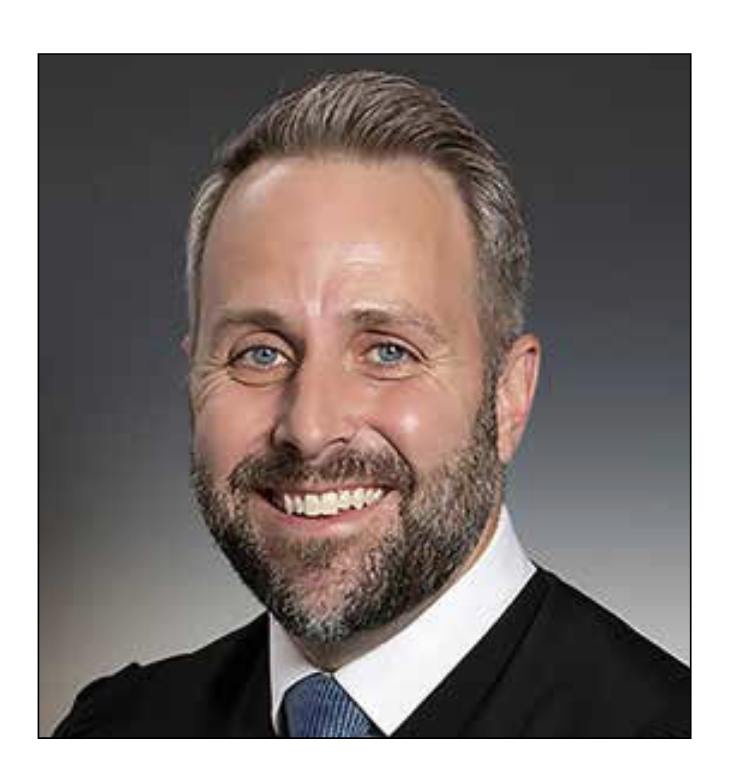
Sullivan and Murkowski boosted Kindred into a lifetime job with little public review. Their public statements this week overflowed with regret about Kindred. They said they were outraged, etc.

That’s not even close to the response this case demands.

They should learn from this debacle and their part in it. They should make the selection of federal judges a more transparent process—which would include public hearings on potential nominees and an end to the secrecy of the Dan Sullivan Alaska Federal Judicial Council.

Read More


In the interest of better communications, please read this

I spent several days traveling and away from the blog.

I want to update you on some things.

In response to reader requests, I have changed the subject line in emails sent to everyone on my mailing list to reflect the topic of the day and not just the name of this blog.

It appears, however, that this change is in some cases directing my missives out of regular inboxes and into other categories, namely “promotions.” This has happened to some readers using gmail. Please check your spam folder to see if my emails have landed there.

Read More
Alaska Supreme Court overturns lower court correspondence ruling, while delaying decision on using public funds for private tuition

The most likely step now is a challenge of one or more of the school districts that are allowing public allotment money to be used to pay for private school tuition. The districts in Fairbanks, the Denali Borough and Mat-Su are among those allowing this to happen. The Alaska Supreme Court said it believes the Dunleavy administration argues that this practice is against the law.

Nothing in the Supreme Court ruling Friday can be read as an endorsement of spending public funds for private school tuition. In fact, the opposite is the case.

Read More
Dermot Cole Comments
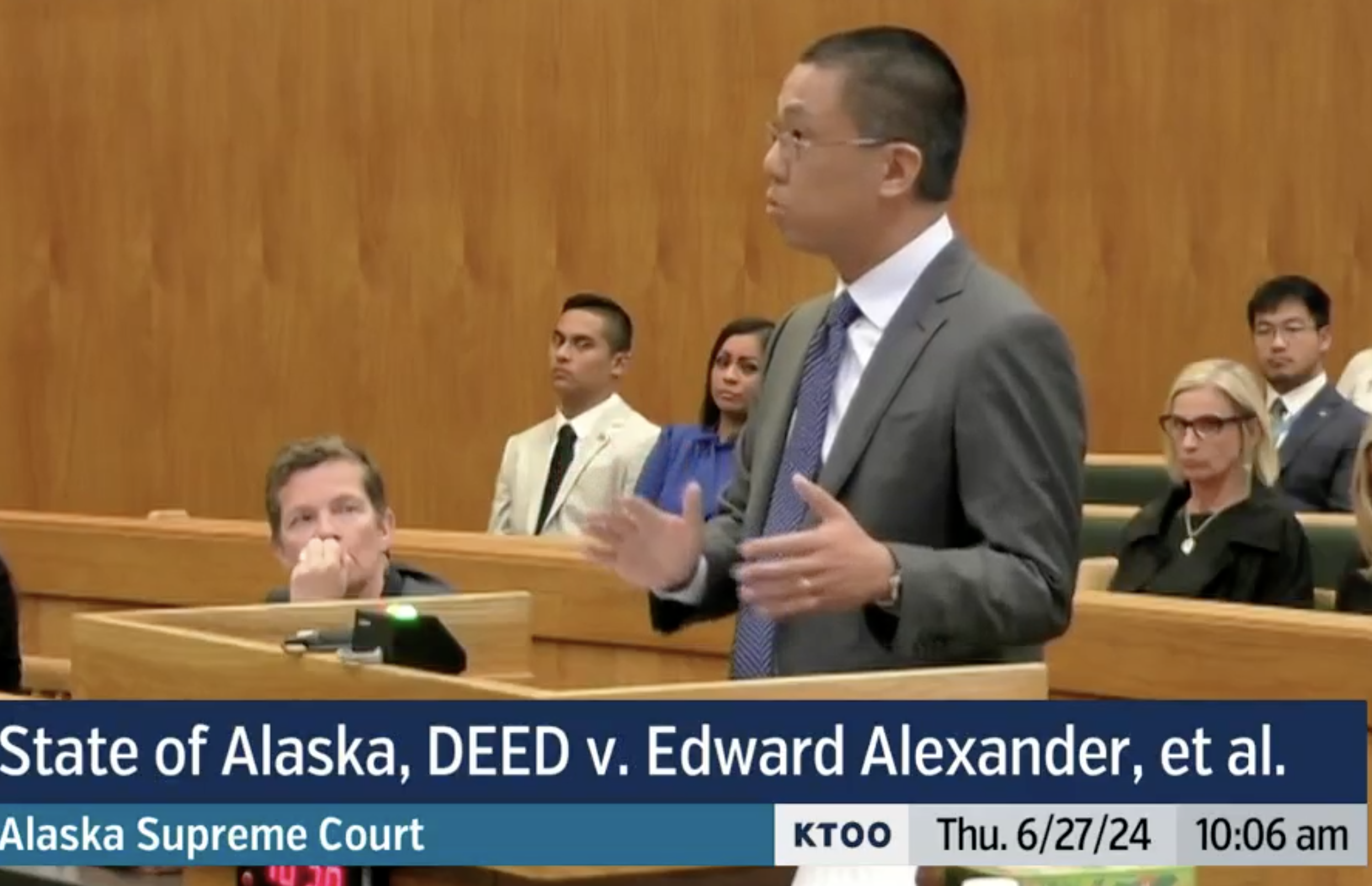
State's $650-an-hour lawyer tells court 'state can't be held liable for violating constitution' in school funding case

The conflict of interest demonstrated by the action and inaction of the attorney general may have led to the indefensible claim by the attorney general—that an allegation of unconstitutional spending by school districts is none of his business.

The statute the state is trying to defend came under scrutiny after the attorney general’s family publicized its plan for tuition reimbursement. “Thanks to Dunleavy’s 2014 statute, private schools have been added to the list of allowable vendors for parents,” wrote Jodi Taylor, wife of the AG and a leader of the Alaska Policy Forum.

Read More
Dermot Cole Comments
Public funds for private school tuition benefit families only, not schools, lawyers claim

Just one more blog post, for the moment, on the school funding appeal to be heard by the Alaska Supreme Court Thursday at 10 a.m. Gavel to Gavel plans to cover it live.

The Alaska Constitution prohibits using public funds for private or religious schools in Article VII, Section I.

But home school parents who intervened in the case—represented by the Institute for Justice in Texas and Virginia, and former Attorney General Craig Richards—claim they have a right to receive public funds to pay tuition at private schools.

Read More
Dermot Cole Comments
State attorneys admit school districts might be violating Alaska Constitution by allowing private school tuition payments, but AG allows them to continue

In the myriad of conflicting and contradictory claims made by the Dunleavy administration over using public funds for private schools, one that stands out is the declaration that school districts may be violating the Alaska Constitution by allowing students to pay for private-school tuition with public money.

A violation of that nature should prompt action by the attorney general to force the school districts to stop, but AG Tregarrick Taylor has allowed it to go on. He is seriously conflicted over the issue.

Read More
Dermot Cole Comments
Not our problem, state says about claims of unconstitutional education spending

One of the arguments that the Dunleavy administration is making to the Alaska Supreme Court this week is that the state has no control over unconstitutional spending by the school districts because the law championed by Dunleavy absolves it of responsibility and bans the state from applying other rules.

Attorney General Tregarrick Taylor claims that the state education department has no control over the districts on how correspondence school allotments are used, though the education department is free “to ask the attorney general for legal advice on how student allotments may be spent,” but that school districts are “independent actors for purposes of liability under state law.”

Read More
Dermot Cole Comments