The Department of Transportation and Public Facilities says comments on the draft plan can be made online at www.dot.alaska.gov/stip, via text message at 855-925-2801, or voice mail at 855-925-2801, enter Pin 2191, and leave a message.
Read More
The Department of Transportation and Public Facilities says comments on the draft plan can be made online at www.dot.alaska.gov/stip, via text message at 855-925-2801, or voice mail at 855-925-2801, enter Pin 2191, and leave a message.
Read MoreThe "top down” state list of highway projects from the Dunleavy administration violates federal law and regulation because the state failed to consult with long-established planning authorities in Fairbanks and Anchorage.
The proposed new bridges at the Chena Lakes Flood Control project and over Chena Hot Springs Road to help the Kinross ore hauling project did not undergo local review before State Transportation Commissioner Ryan Anderson ordered them placed in the Statewide Transportation Improvement Program late last year.
Read MoreThis is not about getting a well-earned “bite at the federal apple,” but of grasping for a federal handout, while complaining about socialism and the evils of “federal overreach.”
Read MoreTo demonstrate that the work of the Transportation Advisory Committee is more than a bureaucratic placebo, the Dunleavy administration should wait to see what the committee comes up with before deciding on projects that are likely to cost well more than $300 million to support the mining operation.
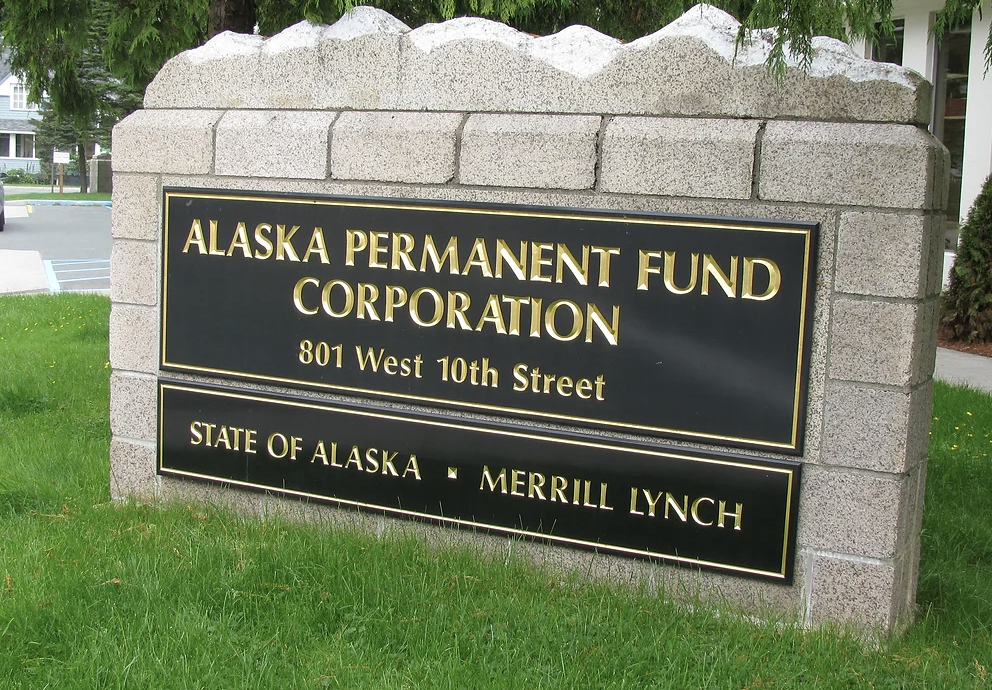
Read MoreWhile the trustees of the Alaska Permanent Fund Corp. are distracted with the bubble-headed Anchorage office sideshow, they really should be doing more to explain to Alaskans what risks they are taking on our behalf with the investments in the $78 billion account.
I wrote here in June about the new book by veteran reporter Gretchen Morgenson and Joshua Rosner that should be required reading for Alaskans: “These are the Plunderers: How Private Equity Runs—and Wrecks—America.”
Add another book to the reading list, “Plunder: Private Equity’s Plan to Pillage America,” by Brendan Ballou.
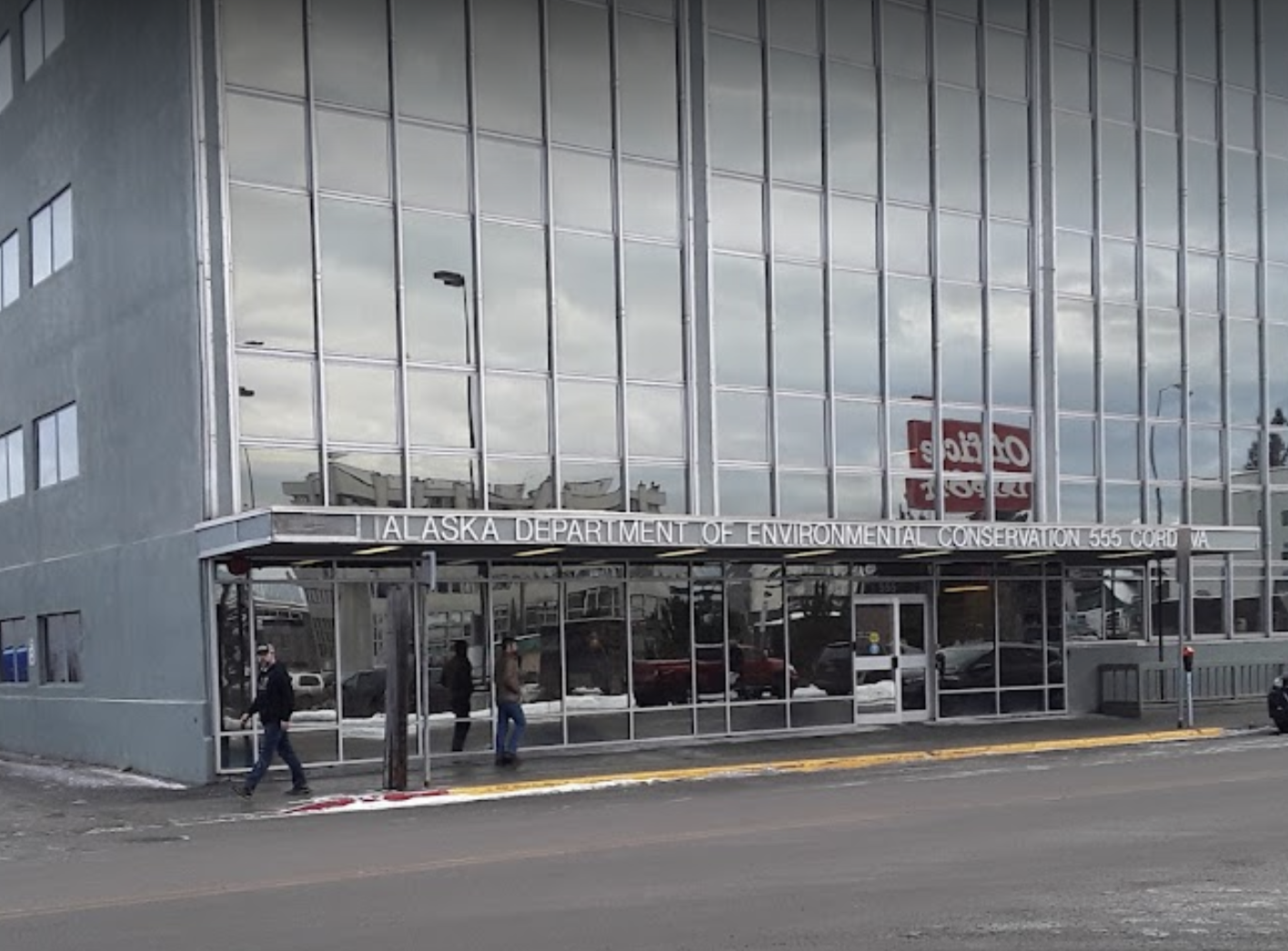
Read MoreOnly 3 Juneau employees of the Alaska Permanent Fund Corp. said in a survey that within the next two years they would like to move to Anchorage, which is all the evidence needed to stop the plan by the fund to open a branch office in Anchorage in space leased to the Department of Environmental Conservation.
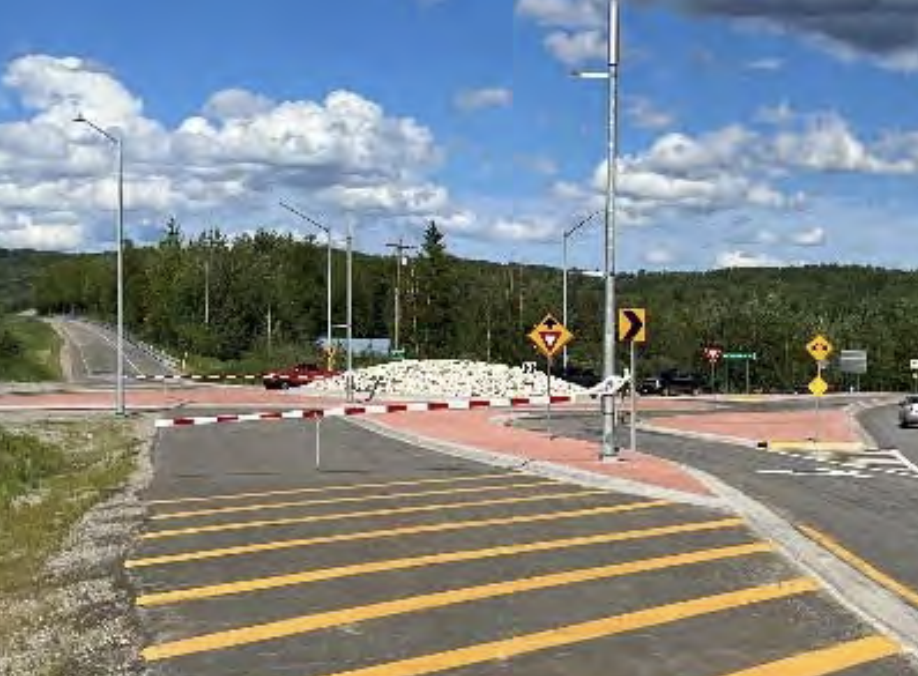
Read MoreOne of the looming safety and traffic hazards for the Kinross mine ore trucking plan is the proposal to use the Chena Hot Springs Road roundabout.
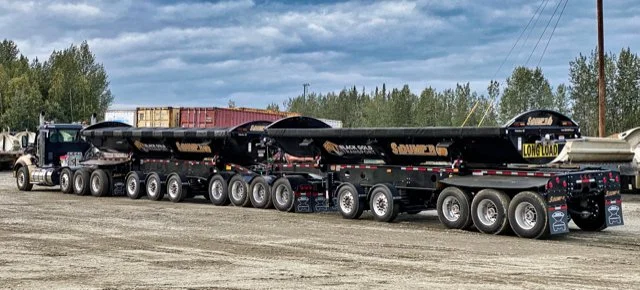
It may work in theory, but not in the winter. The trailers are not here yet, so this maneuver has not been road tested.
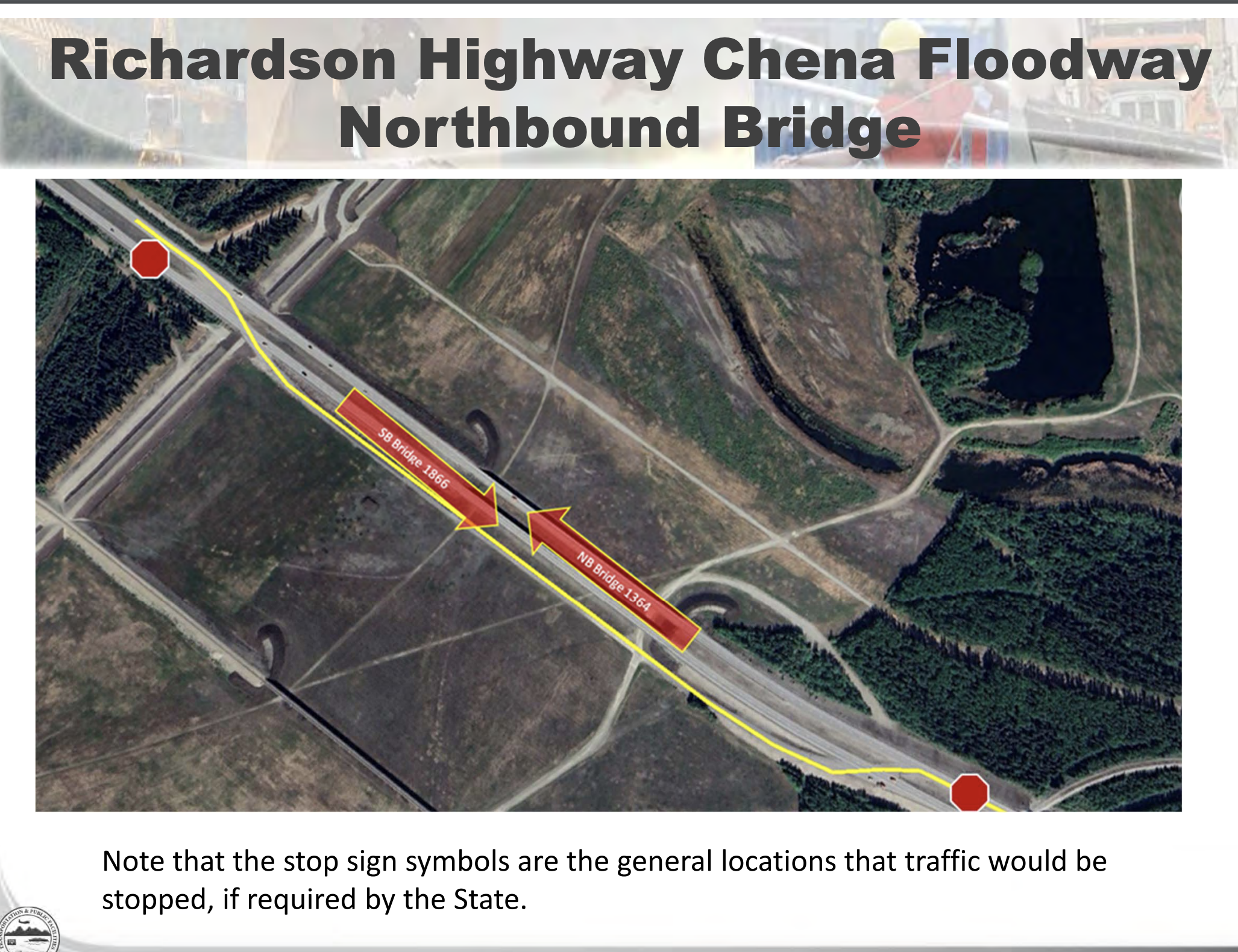
Read MoreState engineers did indeed tell Kinross that a 1 percent cut in the weight of their mining trucks is all the company needs to meet the load limits on the Richardson Highway bridge in North Pole over the Chena River floodway.
One percent hardly seems to provide a sufficient margin of safety, seeing as how the trucks could well gain more than that amount on a winter’s day from ice picked up on the drive from Tetlin.
Read MoreThe Steese Highway bridge over Chena Hot Springs Road and the Richardson Highway bridge over the Chena flood control area in North Pole don’t have the capacity to handle the Kinross mining trucks with full loads.
The Dunleavy administration, headed by the guy who wants Alaskans to “say yes to everything”—has been grossly negligent in withholding this information from the public until now.
As recently as mid-summer, the state claimed on its website that the bridges could handle the trucks proposed for the Tetlin-Fort Knox route.
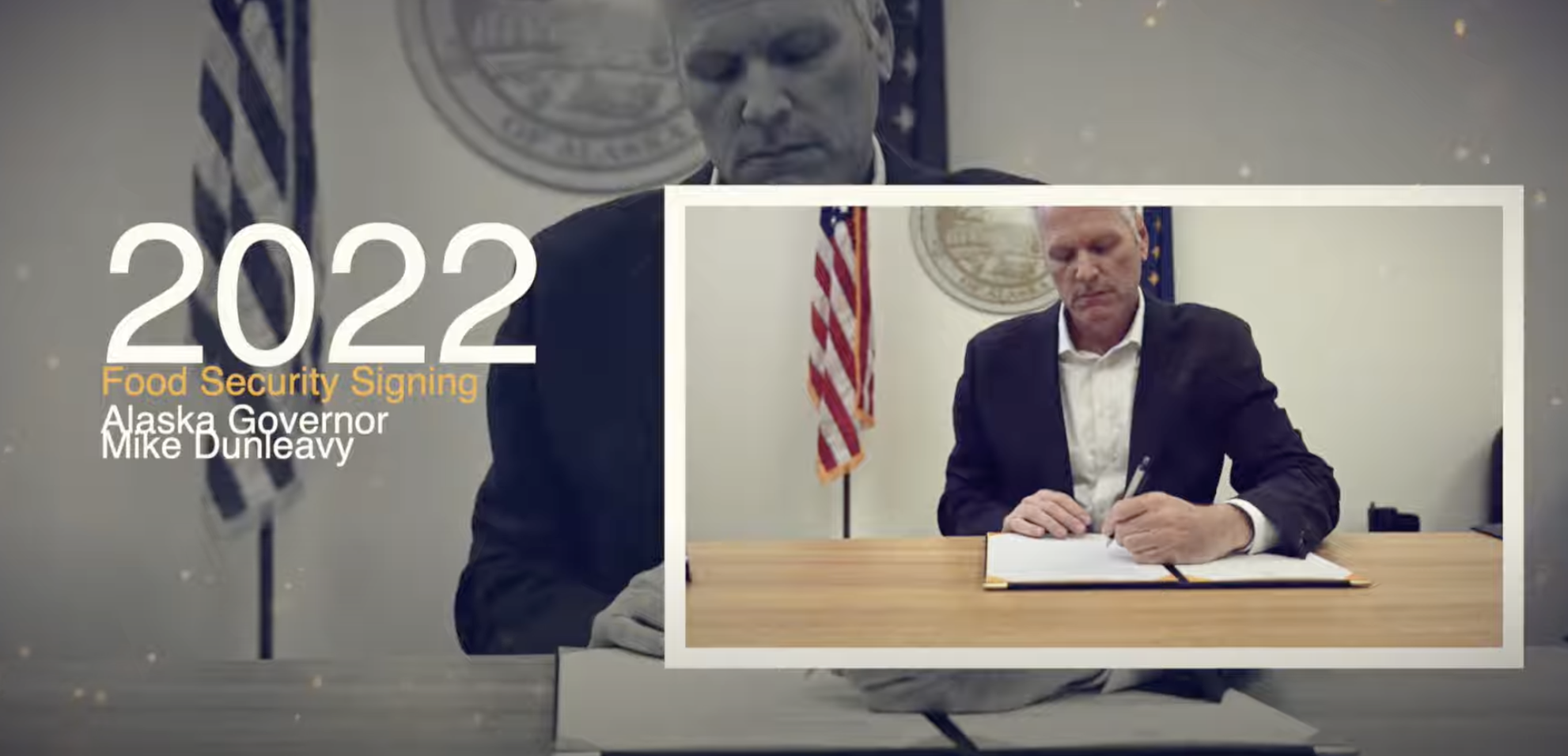
Read MoreIt’s no surprise that the new report from the 36-member “Alaska Food Strategy Task Force” covers much of the same ground as the report released last spring from the now-defunct 22-member “Alaska Food Security and Independence Task Force.”
The new task force, headed by Sen. Shelley Hughes, threw this report together in a rush, but the most important lesson to be understood is that it will take work, money and leadership if Alaskans want to do more about food security than keep talking about it.
Read More