Anchorage Sen. Tom Begich has proposed what he is calling a “real budget plan.” While it is not the Dunleavy disaster, it is also not realistic. An income tax is needed.
Read More
Anchorage Sen. Tom Begich has proposed what he is calling a “real budget plan.” While it is not the Dunleavy disaster, it is also not realistic. An income tax is needed.
Read MoreThere is nothing immoral, unconstitutional, reprehensible or destructive about taxes. They are a way to provide and preserve livable communities.
By Larry Persily
Read MoreTo end the fantasy and make this real, Dunleavy has to talk taxes and recognize that Alaskans find it irresponsible for him to try to gut education, health care, the ferry system and a variety of other programs.
Read MoreContrary to his expansive plans discussed at AFN, the budget proposed by Dunleavy would reduce spending on education throughout the state by 25 percent, with major reductions in rural Alaska.
Read MoreHis plan to gut the University of Alaska, double class sizes in schools, eliminate the ferry system, close rural hospitals, increase health insurance rates, end cash payments to poor old people, raise rates in the Pioneers Home, and confiscate hundreds of millions in local property taxes is about the worst thing any politician has done.
Read MoreIf he were really concerned about his subjects texting during meetings, he would treat them like adults, not school children, and ask that they put their phones on silent. This is about a fear of being recorded.
Read MoreGov. Mike Dunleavy is claiming he was given some bad information during his campaign about future oil prices. That claim is as ridiculous as it sounds.
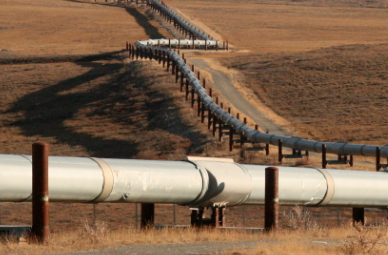
Read MoreThe owners say the trans-Alaska pipeline averaged 513,441 barrels per day in 2014, the first full year in which the SB 21 oil tax change was in effect. In 2018, the pipeline averaged 509,315 barrels per day. That’s a decrease.
Read MoreDuring his campaign, Mike Dunleavy talked a lot about unidentified budget cuts—the only popular kind—but he also said specifically that the state could have a sustainable budget without cutting state and local government services.
Read MoreThe latest evidence about misusing math to justify a budget cut comes with the plan to eliminate $3.1 million that helps young Alaskans become doctors.
Read More